Swiss German or German? What Should You Learn First (and Why)?

If you’re planning to live, study, or work in Switzerland, one of the first questions you’ll face is: Should I learn Swiss German or German? While both are spoken in Switzerland, they serve very different purposes. Choosing the right path depends on your goals, lifestyle, and reasons for learning the language.
In this guide, we’ll break down the differences, highlight the advantages of each, and help you decide whether German, Swiss German, or even both should be your learning priority.
What is Standard German (High German)?
Standard German, often called High German (Hochdeutsch), is the official written and spoken form of German used in education, business, media, and official communication. It’s standardized, meaning learners can rely on clear grammar rules, vocabulary, and abundant learning resources.
What is Swiss German (Schweizerdeutsch)?
Swiss German refers to a group of dialects spoken across different regions of Switzerland. It’s primarily used in informal conversations, families, and social interactions. While it’s beloved by locals, it’s not standardized, and you won’t find newspapers, books, or official documents written in Swiss German.
Why Learning German Makes Sense First

German is Widely Spoken in Europe
With over 100 million native speakers, German is the most widely spoken native language in Europe. By learning Standard German, you gain access not only to Switzerland but also to Germany, Austria, Liechtenstein, and beyond.

The Official Language in Switzerland
Even though locals speak Swiss German in daily life, Standard German is Switzerland’s official written language. From street signs to school exams, official documents, and business communication—German is everywhere.

Foundation for Reading, Writing, and Professional Use
If your goals include studying at a Swiss university, working in a corporate environment, or reading Swiss newspapers, Standard German is a must. It provides a stable foundation for all forms of communication.
Why Some Learners Choose Swiss German Directly
Not everyone chooses to start with Standard German. For some, diving directly into Swiss German makes sense.

Integration into Swiss Life and Culture
If your main goal is to integrate socially, learning Swiss German helps you blend in faster. It shows locals that you respect their culture and want to be part of daily life—not just an outsider with textbook German.

Building Deeper Connections with Locals
Many Swiss feel a strong cultural attachment to their dialect. By speaking Swiss German, you can create instant rapportwith neighbors, friends, and coworkers, leading to deeper connections.

Practical for Everyday Conversations in Switzerland
In everyday life—shopping, small talk, local events—Swiss German is the language you’ll actually hear. If you’re not concerned with academic or business settings, Swiss German alone may be enough.
Challenges of Learning Swiss German
Lack of Standardized Grammar and Spelling
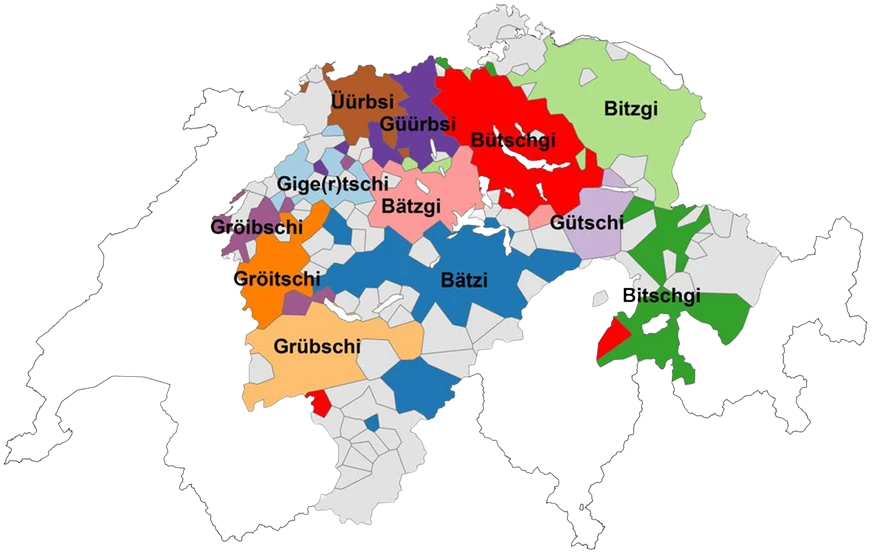
Unlike German, Swiss German has no unified grammar rules. Each dialect has unique pronunciations, vocabulary, and phrases, making it more challenging to learn systematically.
Regional Dialect Differences
Swiss German in Zurich doesn’t sound the same as Swiss German in Bern or Basel. You might learn one version but struggle to understand another.
Limited Learning Materials
While resources are growing, Swiss German has fewer textbooks, courses, and apps compared to German. Learners often rely on immersion, conversations, and local exposure.
A Smart Learning Path: German First, Swiss German Later
How German Supports Swiss German Acquisition
Learning Standard German first gives you the grammar and vocabulary base to transition into Swiss German more smoothly. Since the dialects are related, you’ll already understand much of the structure.

Everyday Exposure to Swiss German in Switzerland
If you live in Switzerland, you’ll naturally hear Swiss German daily. Having German as your base allows you to pick up Swiss German organically, without feeling lost.
Who Should Prioritize German?
- Students attending Swiss universities
- Professionals working in international or corporate settings
- People planning to travel beyond Switzerland
Who Should Prioritize Swiss German?
- Long-term residents focused on integration and local friendships
- Partners of Swiss nationals
- People who don’t need written German but want daily conversational skills
Pros and Cons of Learning Each Language
|
Aspect
|
Standard German
|
Swiss German
|
|---|---|---|
|
Official status |
Yes |
No |
|
Used in schools & business |
Yes |
Rarely |
|
Social integration |
Good |
Excellent |
|
Standardized grammar |
Yes |
No |
|
Regional differences |
Minimal |
Significant |
|
Learning resources |
Abundant |
Limited |
How to Decide: Key Questions to Ask Yourself

Am I moving to Switzerland for work, study, or family?

Do I want to use the language beyond Switzerland?

Is my priority social integration or career opportunities?
Resources to Start Learning
FAQs
Can I learn Swiss German without learning German first?
Yes, you can! If you’re starting from scratch, choose our Beginner 1 Swiss German course at Sprachschule Schneider. It’s designed for learners with no prior German or Swiss German knowledge.
Do Swiss people prefer foreigners to learn Swiss German?
Yes, socially. But for professional and academic contexts, German is essential.
Is Swiss German very different from German?
Yes, especially in pronunciation and vocabulary. Many Germans struggle to understand it.
Which is harder: German or Swiss German?
Both are about equally challenging. It depends on whether your environment exposes you more to High German or Swiss German. For many newcomers, Swiss German actually feels easier, since it’s spoken everywhere in daily life.
Can I use German everywhere in Switzerland?
Yes, you’ll be understood. But locals may reply in Swiss German.
Is it possible to learn both at the same time?
Yes, but it’s more efficient to focus first on either Swiss German or German. The good news: In the Beginner Swiss German courses at Sprachschule Schneider, you’ll automatically learn the most important basics of High German, which is very practical for integration.
Conclusion: The Best of Both Worlds
So, should you learn Swiss German or German? The answer depends on your goals.
- If you want career opportunities, studies, and global reach, German is the smarter first choice.
- If your focus is social integration and daily life in Switzerland, Swiss German might be your shortcut.
The ideal path for most learners is: Start with Standard German → Add Swiss German later through Immersion™. This way, you enjoy the best of both worlds.

Got questions?
Write to us about what’s on your mind or schedule a personal consultation.
get in touch now